Building a brighter future

Our progress in 2025
A home is more than a building. Good jobs, a strong economy, and vibrant, inclusive communities all help make Waterloo Region a home. In 2025, we worked with community partners to support growth in these areas. We are working to prevent homelessness and create affordable homes. The Region helped build or fund more than 1,000 affordable homes last year. We’re investing to provide housing stability, grow the economy, and help people in Waterloo Region belong and thrive.
Homes for all

Homes for all

A home is more than a building. Good jobs, a strong economy, and vibrant, inclusive communities all help make Waterloo Region a home. In 2025, we worked with community partners to support growth in these areas. We are working to prevent homelessness and create affordable homes. The Region helped build or fund more than 1,000 affordable homes last year. We’re investing to provide housing stability, grow the economy, and help people in Waterloo Region belong and thrive.

Click image to read story

Here are some highlights from the progress we made in 2025:

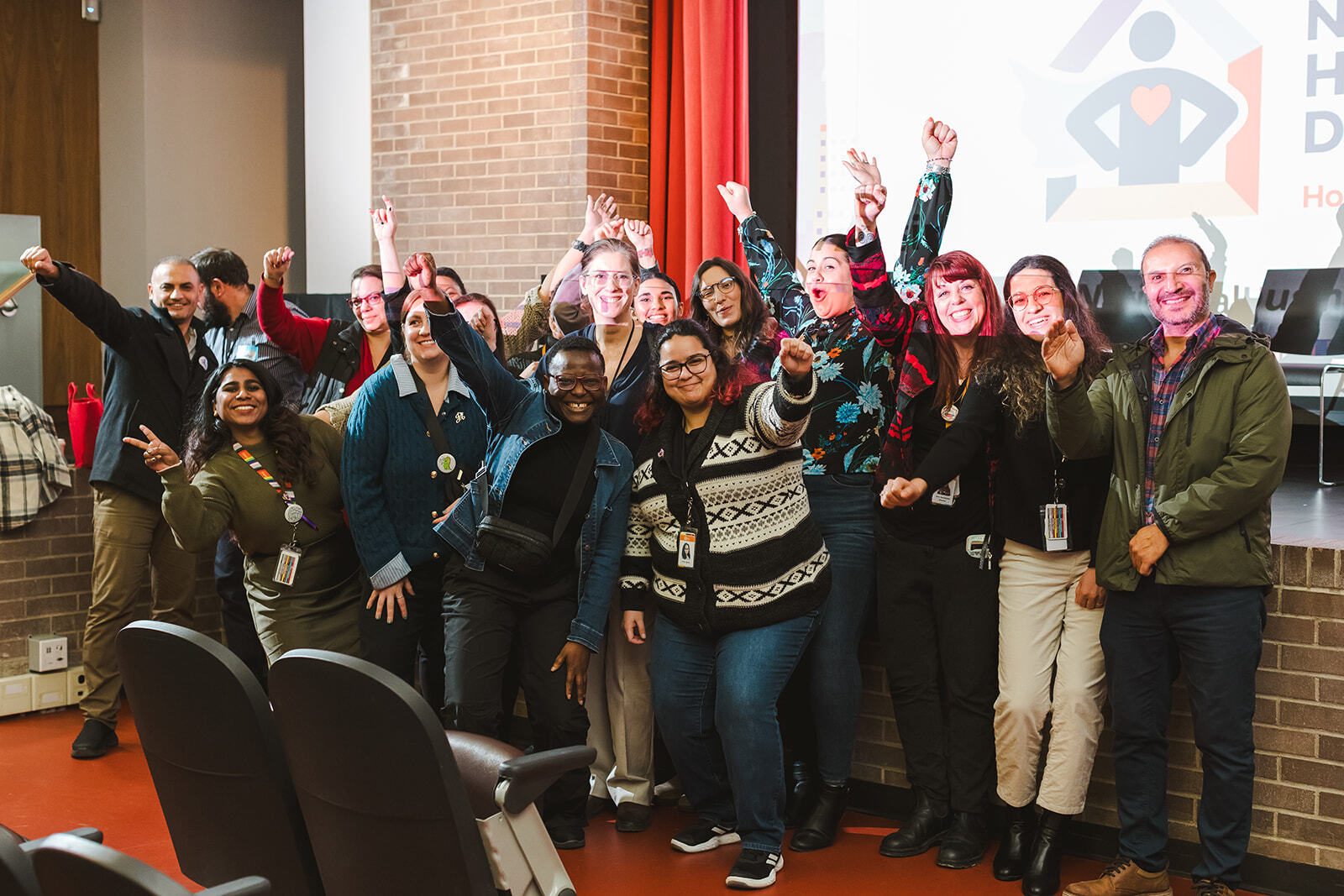
A group of people celebrating National Housing Day at an event hosted by the Region. The people are gathered at the front of an auditorium-style room with a stage behind them. The people are from diverse groups and are all happy. Many people are smiling while pushing their fist into the air.
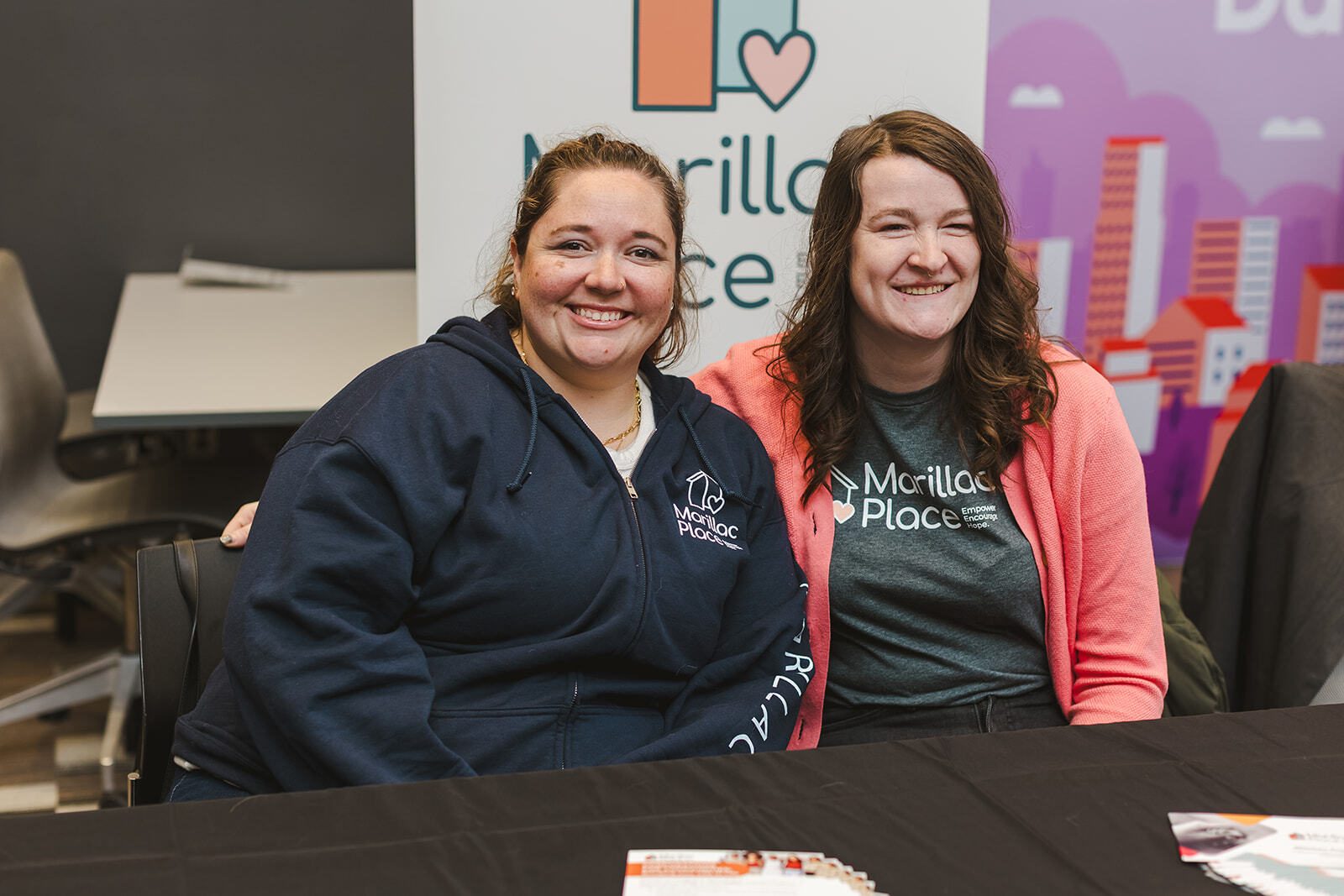
Two people are seated at an information booth. They are wearing t-shirts with a logo from the non-profit Marillac Place. A stand-up banner is behind them with the same logo. Both people are smiling.
An exterior view of a transitional housing development on a residential street in Cambridge. It's a modern-looking multi-residential building with four floors, balconies, a parking lot, and green grass under a clear blue sky.
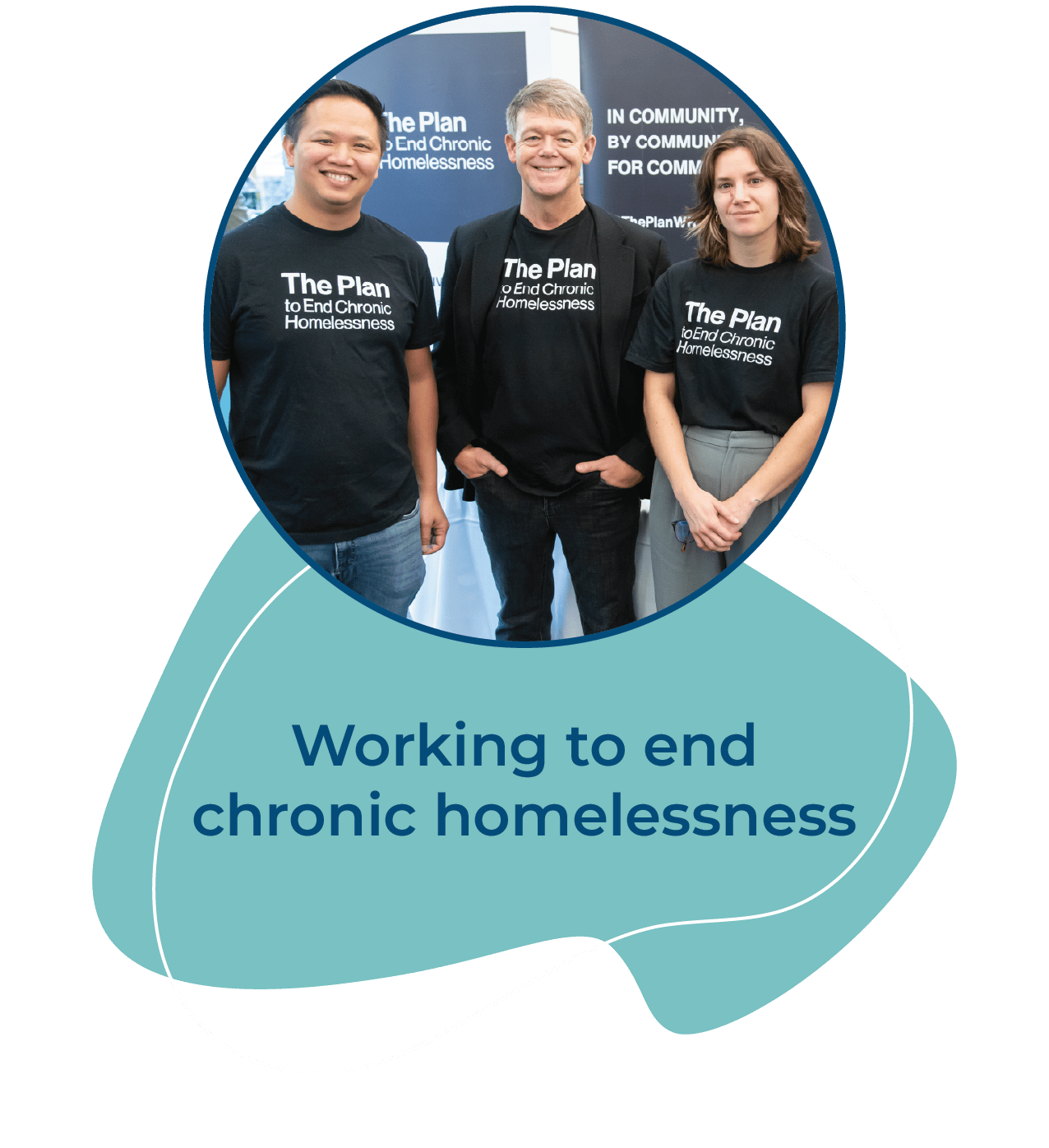
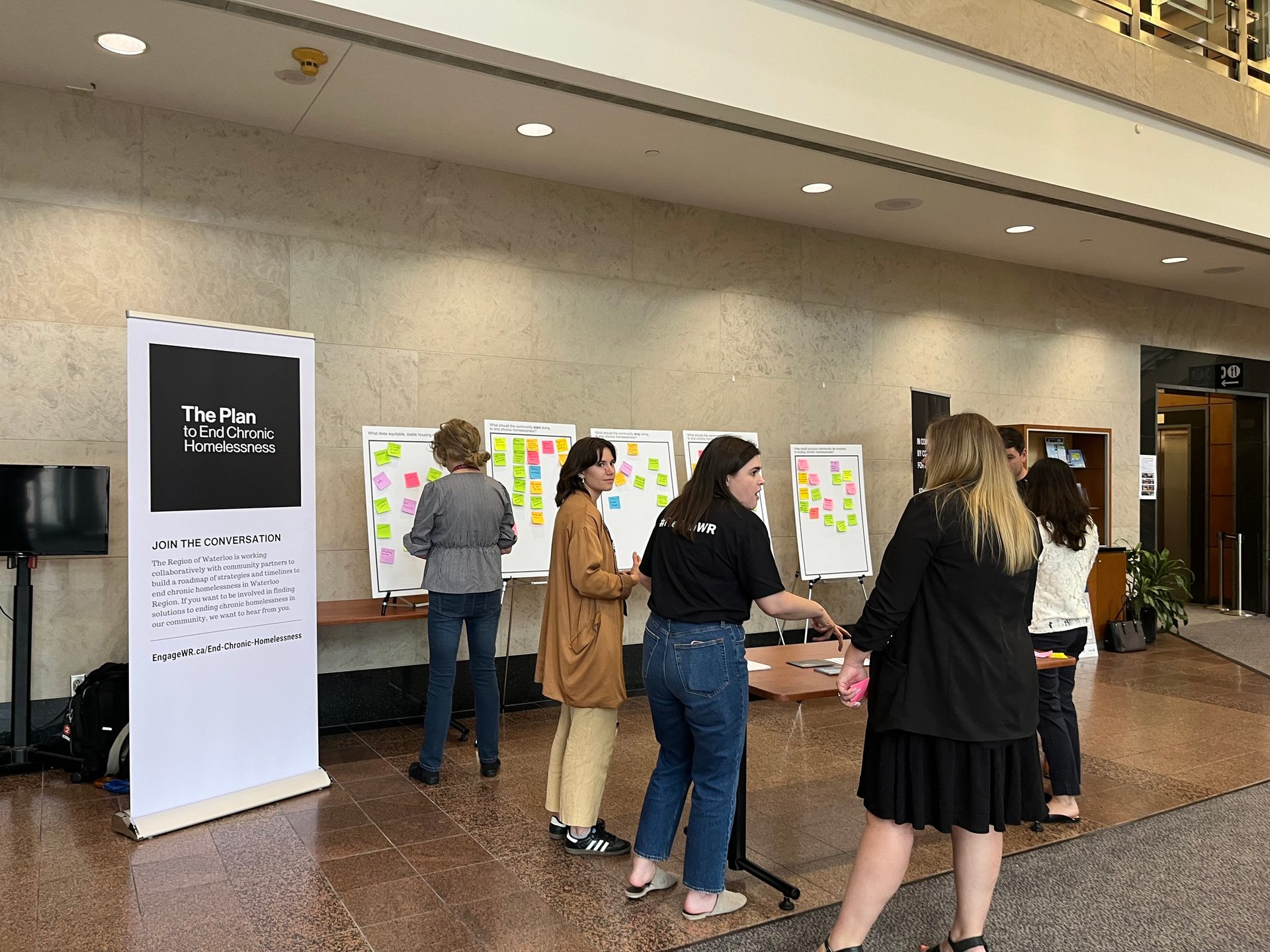
Several people are interacting around an information booth in the lobby of a Region of Waterloo building. The information booth has a stand-up banner with a logo for the Plan to End Chronic Homelessness. One person is placing sticky notes on an interactive board to collect feedback.
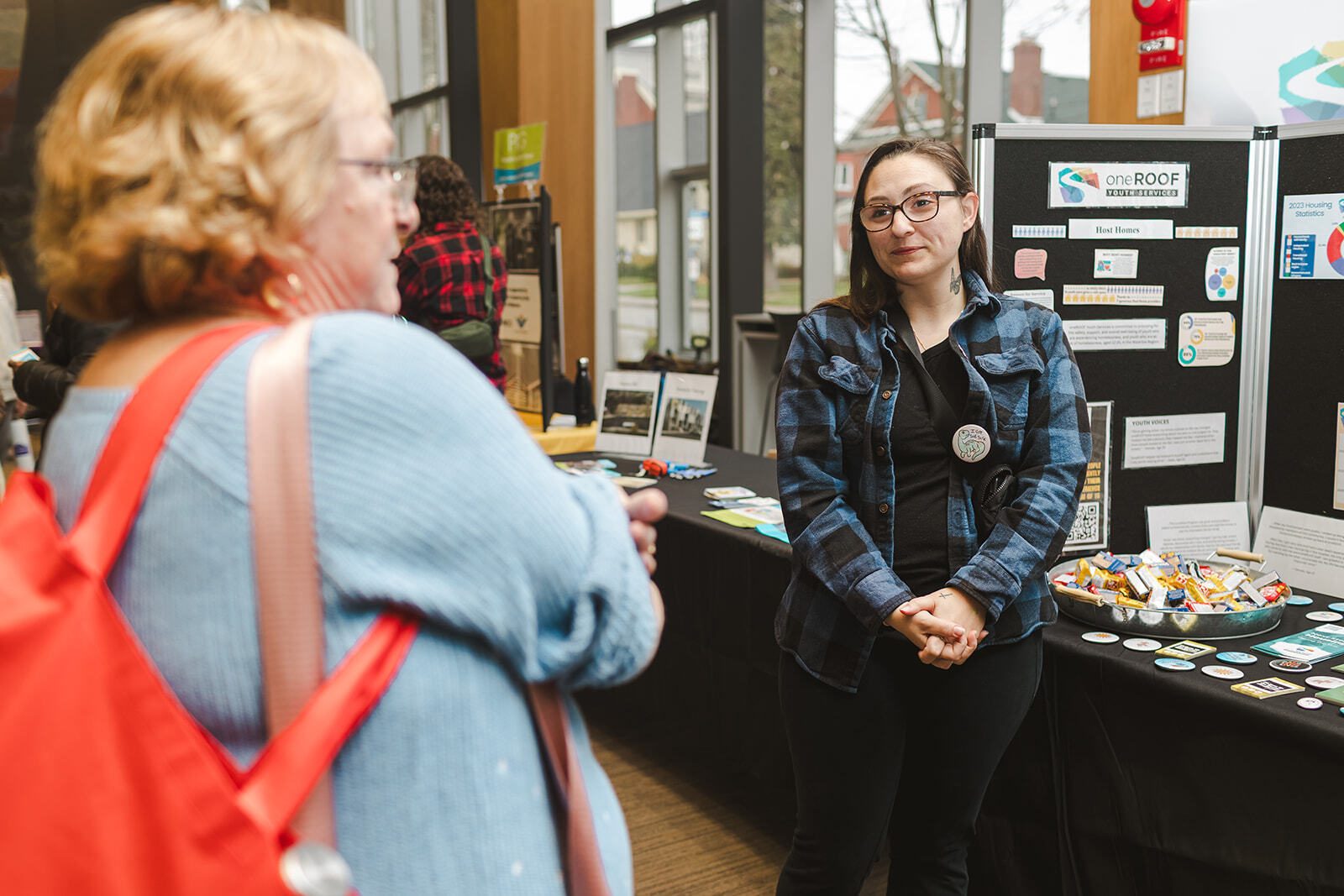
An individual stands at an information booth at an event at the Kitchener Public Library. They have a display set up on a table. The logo for housing services non-profit OneRoof is posted on the display. A person is out-of-focus in the foreground speaking with the individual at the booth.
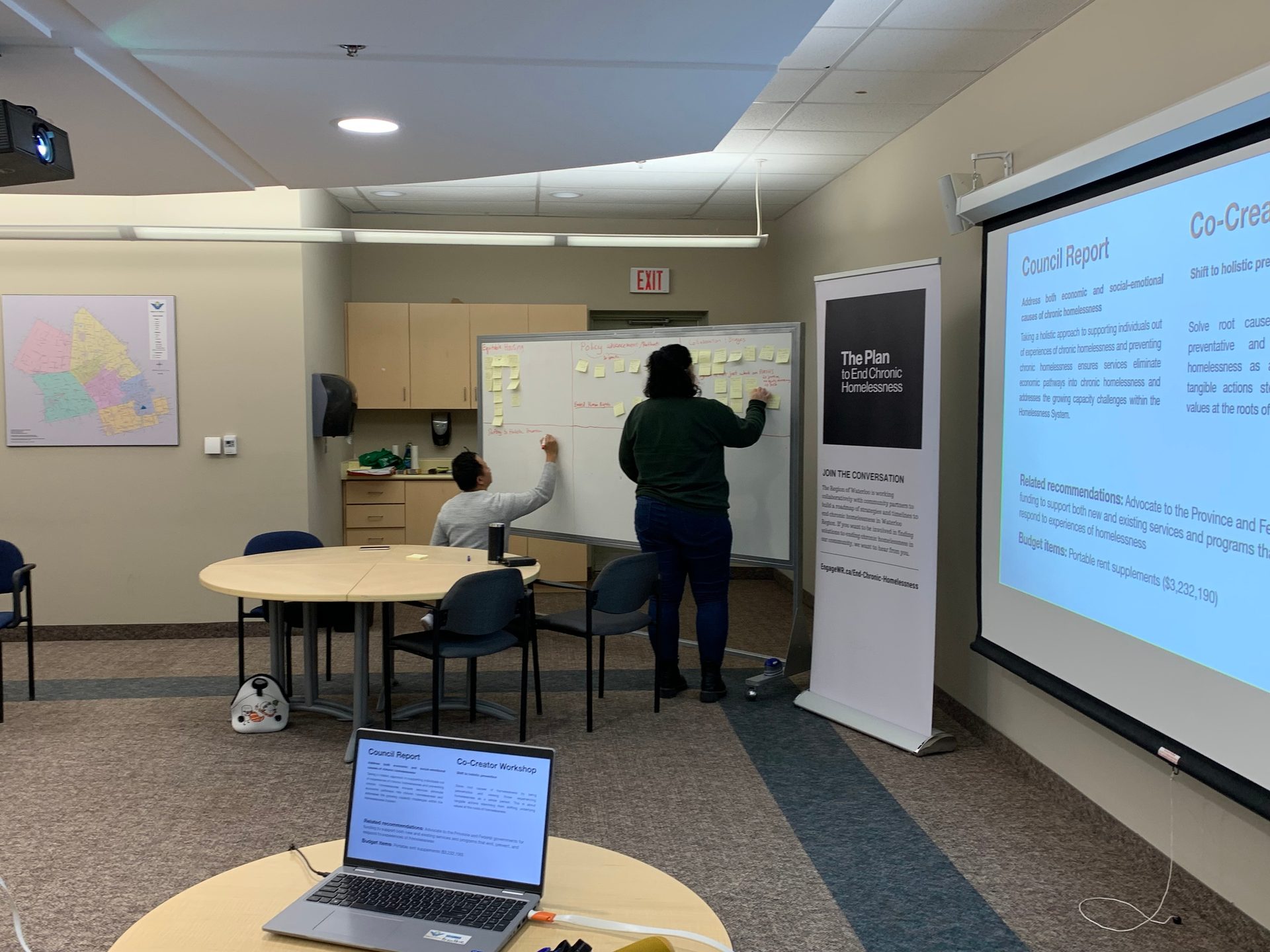
Two people place sticky notes on a whiteboard at a PECH Co-creators meeting. They are in a meeting room.

In 2025, we invested $14.8 million to support The Plan to End Chronic Homelessness. The Plan is working towards functional zero chronic homelessness in Waterloo Region, using an “all-of-community” approach. We've worked to make our systems more equitable, expand services offered and strengthen community relationships.

Working to end chronic homelessness

Addressing chronic homelessness: community plan, new permanent emergency shelter, modular units.

Here are some highlights from the progress we made in 2025:

Click image to read story
A group of people celebrating National Housing Day at an event hosted by the Region. The people are gathered at the front of an auditorium-style room with a stage behind them. The people are from diverse groups and are all happy. Many people are smiling while pushing their fist into the air.
Two people are seated at an information booth. They are wearing t-shirts with a logo from the non-profit Marillac Place. A stand-up banner is behind them with the same logo. Both people are smiling.
An exterior view of a transitional housing development on a residential street in Cambridge. It's a modern-looking multi-residential building with four floors, balconies, a parking lot, and green grass under a clear blue sky.
Several people are interacting around an information booth in the lobby of a Region of Waterloo building. The information booth has a stand-up banner with a logo for the Plan to End Chronic Homelessness. One person is placing sticky notes on an interactive board to collect feedback.
An individual stands at an information booth at an event at the Kitchener Public Library. They have a display set up on a table. The logo for housing services non-profit OneRoof is posted on the display. A person is out-of-focus in the foreground speaking with the individual at the booth.
Two people place sticky notes on a whiteboard at a PECH Co-creators meeting. They are in a meeting room.

Working to end chronic homelessness

In 2025, we invested $14.8 million to support The Plan to End Chronic Homelessness. The Plan is working towards functional zero chronic homelessness in Waterloo Region, using an “all-of-community” approach. We've worked to make our systems more equitable, expand services offered and strengthen community relationships.

We live in a diverse community, with a rich blend of cultures that make us stronger. New partnerships and new perspectives create new opportunities for us to better meet community needs. Working together, we innovate to provide everyone with access to services they need to be healthy, safe, and thrive.

Equitable services and opportunities

Equitable services and opportunities

We live in a diverse community, with a rich blend of cultures that make us stronger. New partnerships and new perspectives create new opportunities for us to better meet community needs. Working together, we innovate to provide everyone with access to services they need to be healthy, safe, and thrive.

Click image to read story

Here are some highlights from the progress we made in 2025:

70 child care spaces prioritized for First Nations, Inuit and Métis children at the new Ga'nigǫhi:yo centre

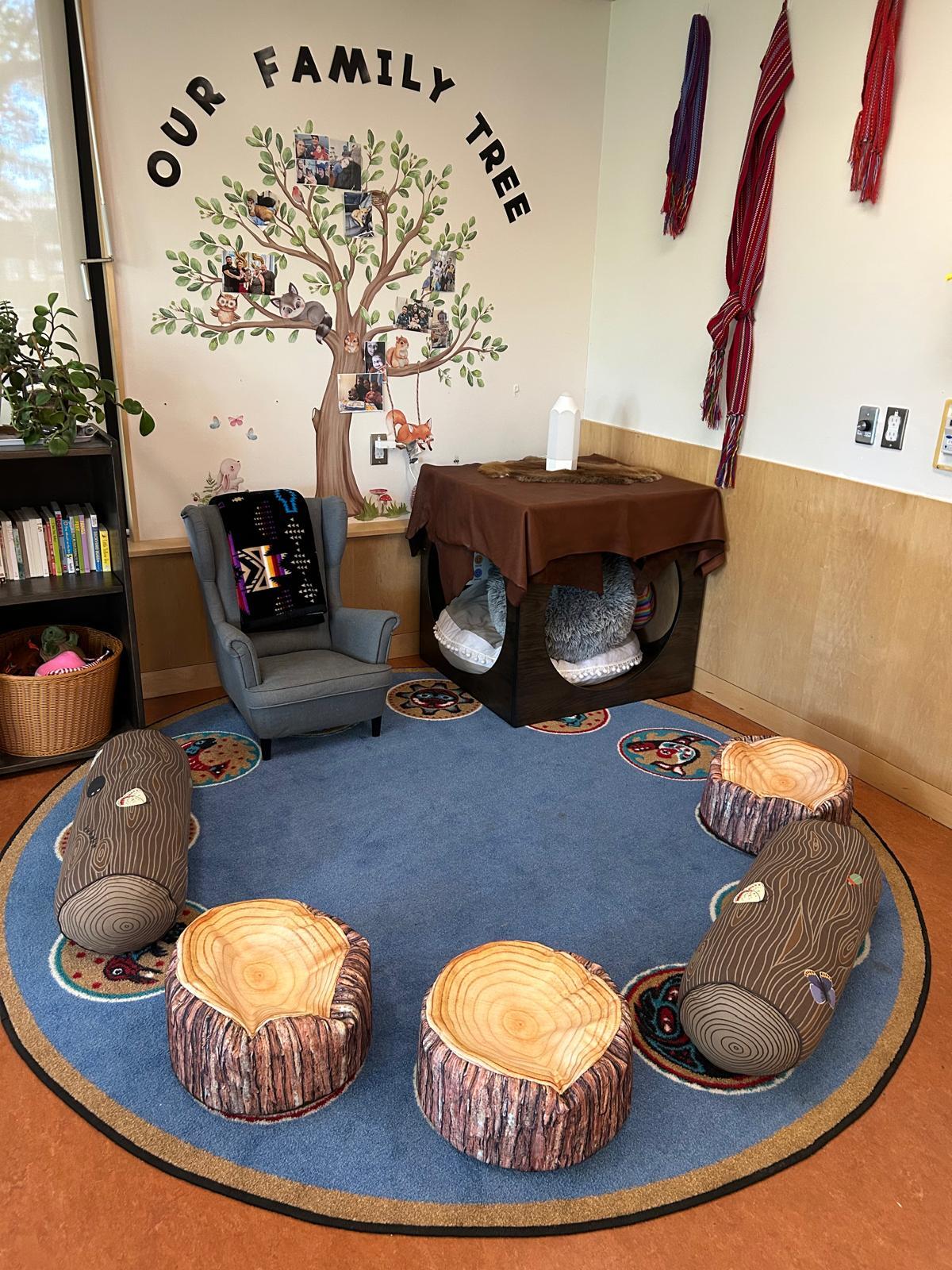
Carpet reading circle with an armchair surrounded by cushions on the floor that look like tree stumps. On the wall behind the armchair is an image of a tree with photos taped to it and a sign that says “Our Family Tree” .
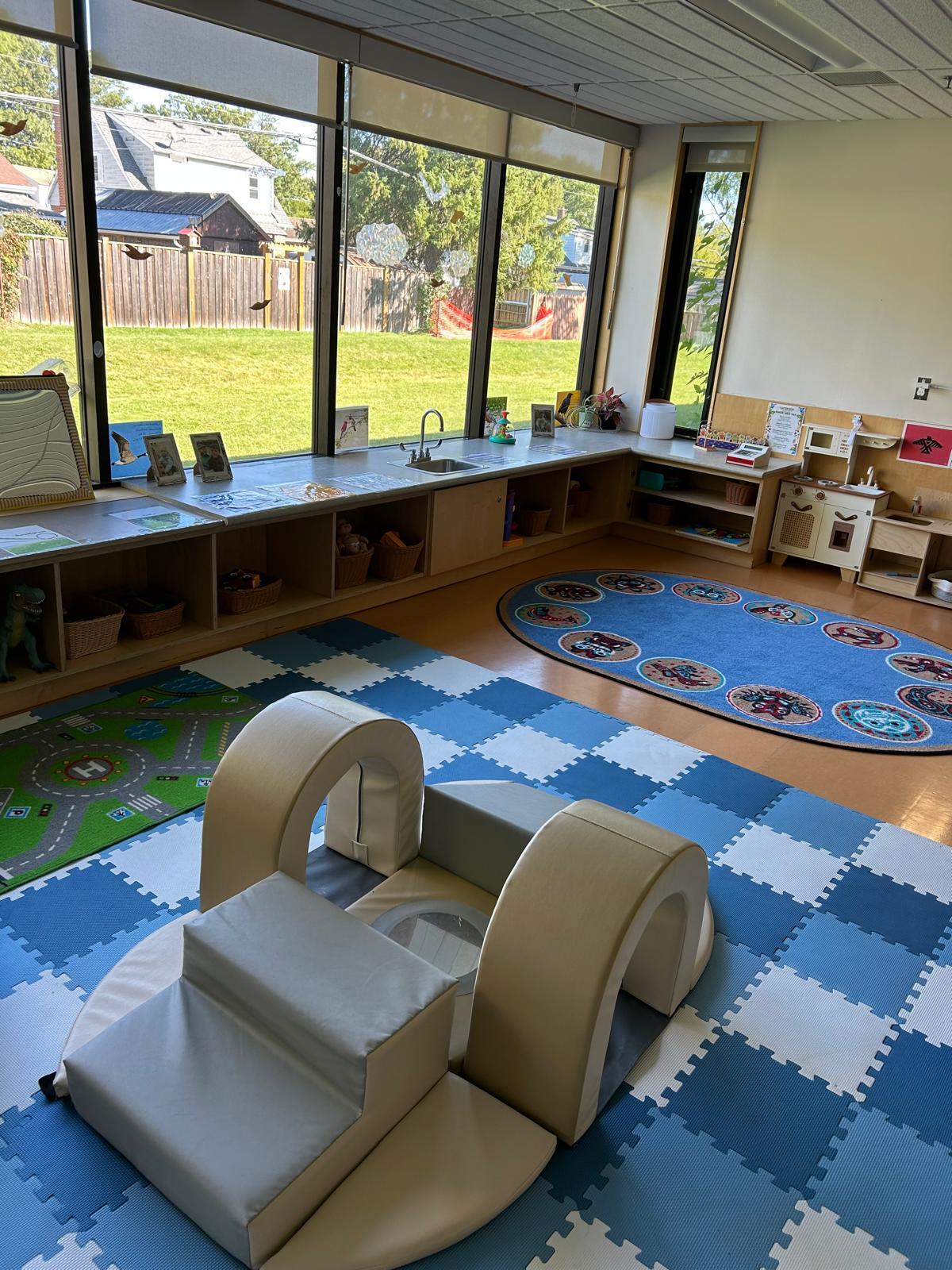
Child care centre play stations, with a soft climbing toy, play kitchen and storage shelves with toys. The space is surrounded by large, bright windows, looking out onto a lawn.
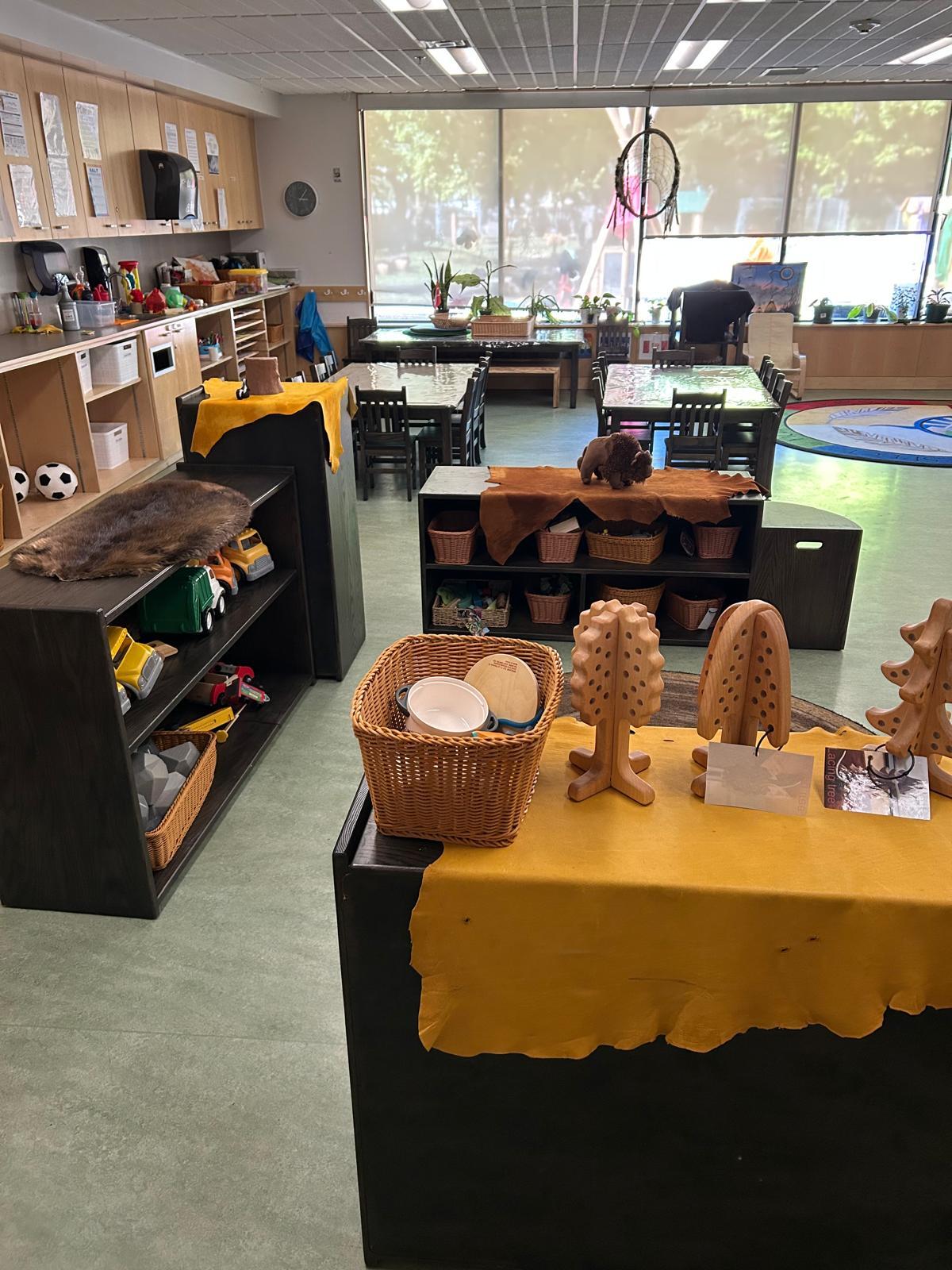
Child care centre space with shelves with toys, including wooden trees in the foreground, and 2 child-height tables with chairs in the background.   The room has furniture, nature-inspired toys, and elements like fur and leather.
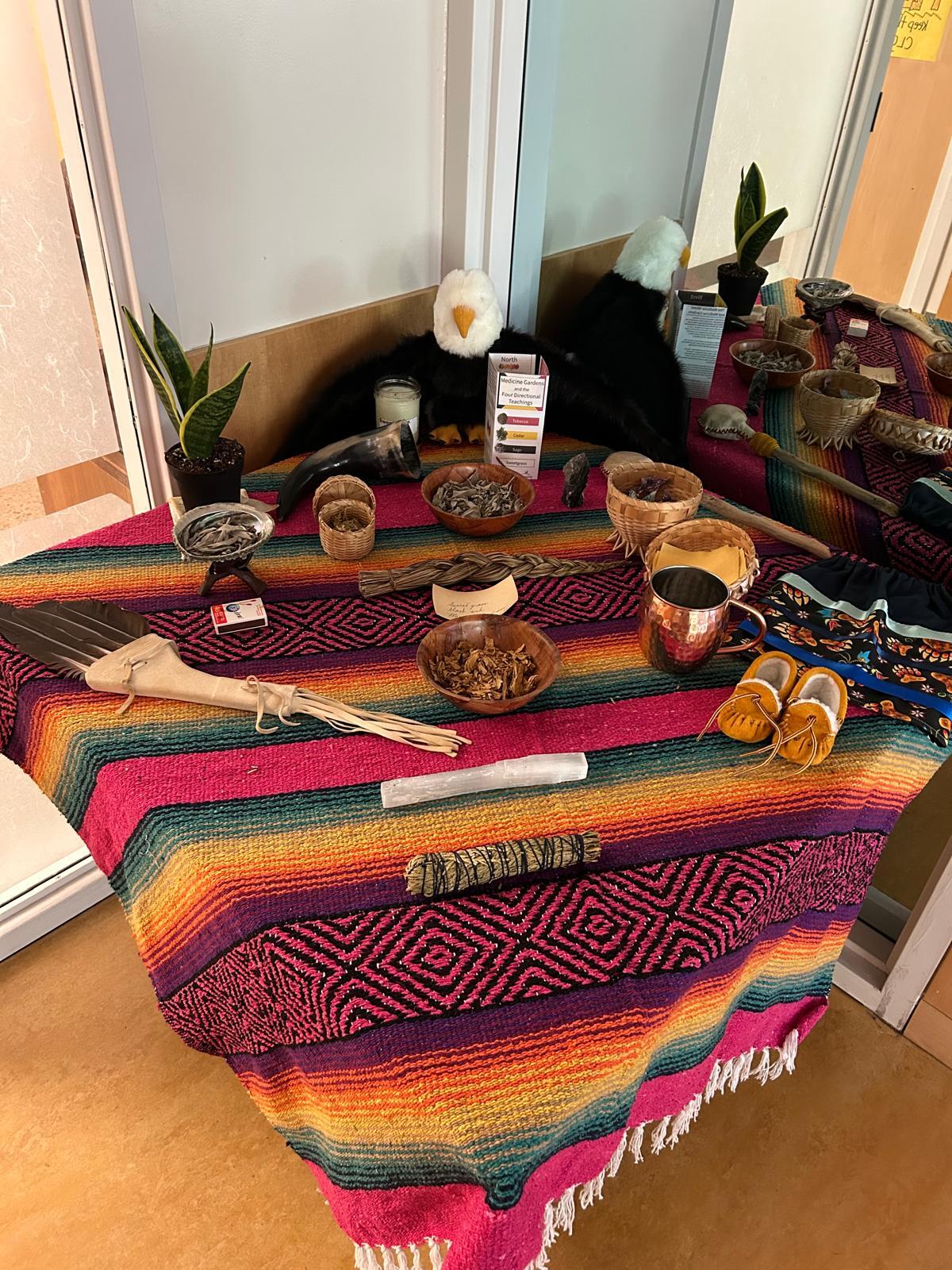
Table display with indigenous medicines, a pair of moccasins and other artefacts.
Outdoor play space at a child care centre with lots of natural elements, including a small garden, wooden structures and a tarp to provide shelter from weather.
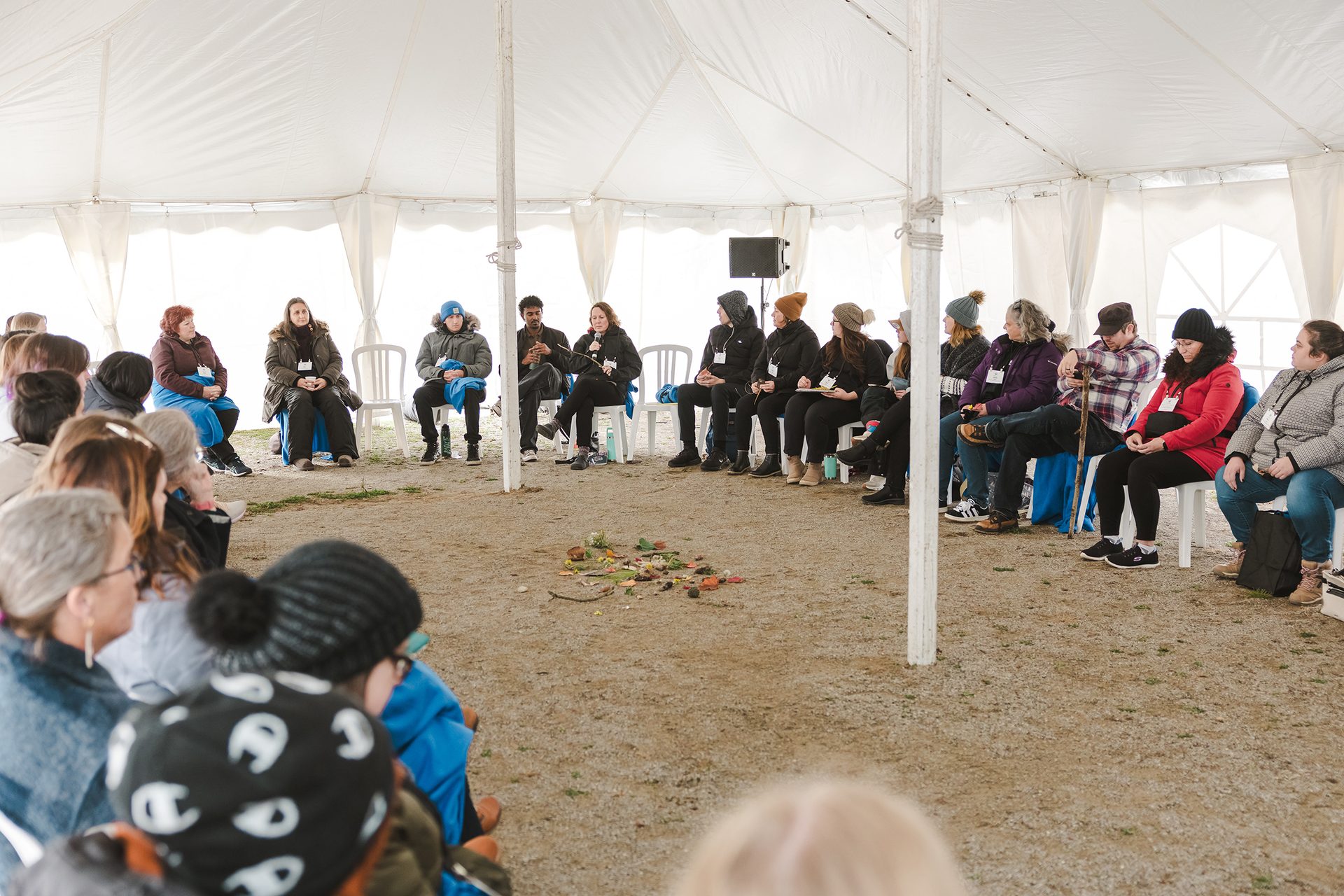
A circle of early childhood educators seated in a tent, having a discussion. In the centre of the circle, there is an assortment of rocks, leaves and sticks.
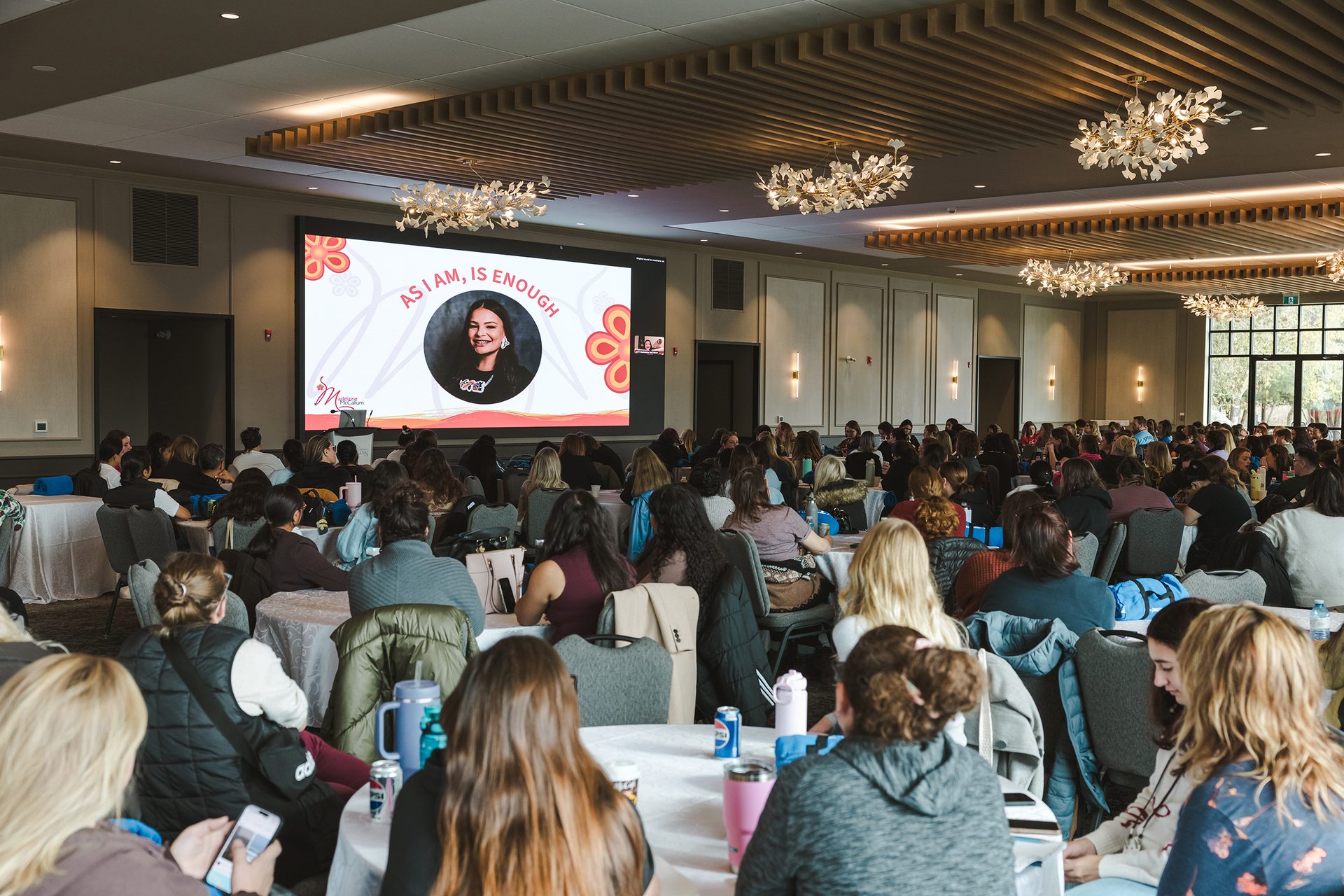
A room full of early childhood educators who are looking at a slide show in a conference room. The slide show features a photo of the Indigenous speaker and the words “As I am, Is Enough”

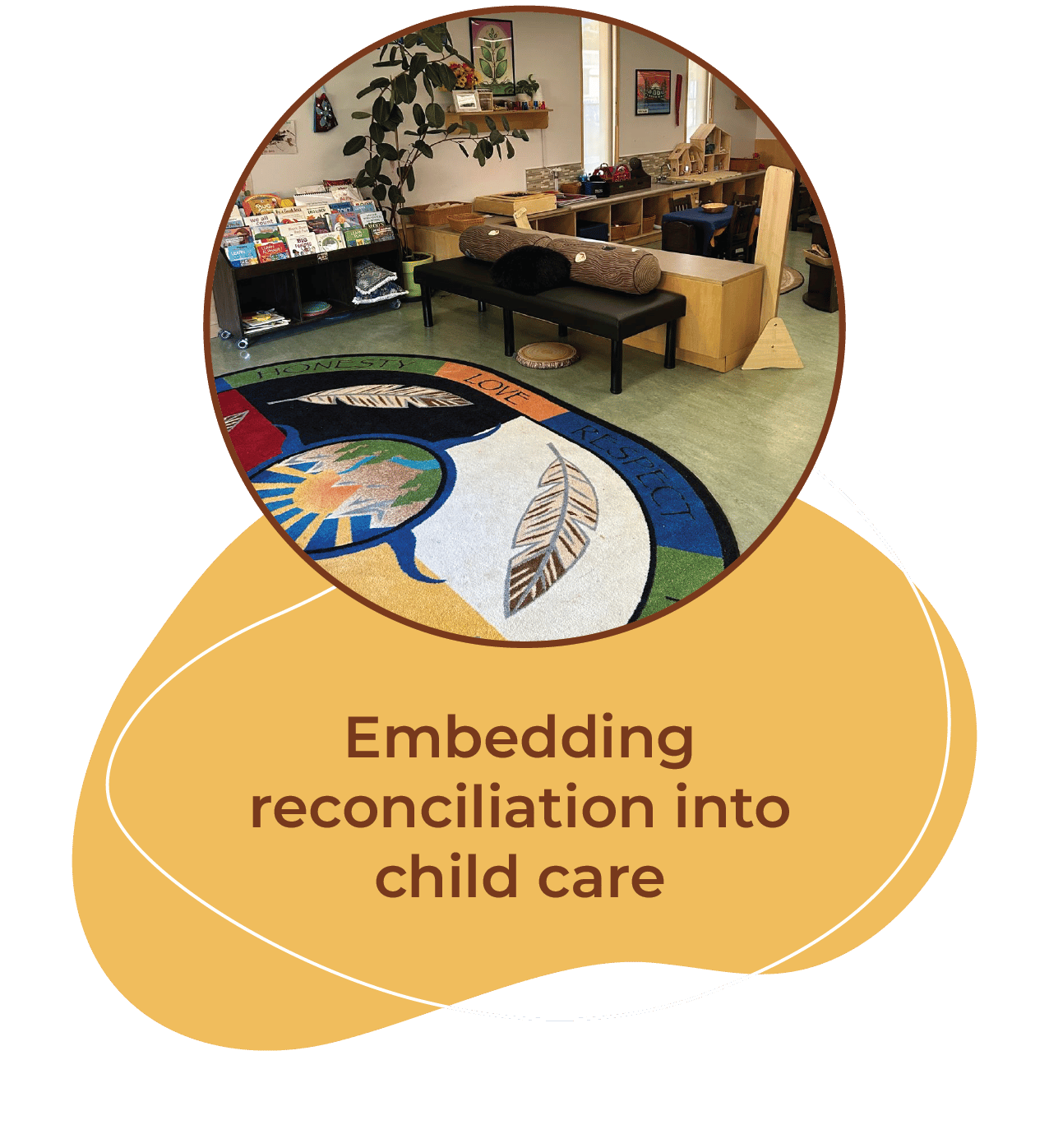
As we work towards reconciliation, we partner with Indigenous organizations to support culturally appropriate programs for all children. In 2025, we worked with The Healing of the Seven Generations to open the region’s first Indigenous-led child care centre, Ga'nigǫhi:yo Indigenous Child Care and Family Centre . We also helped facilitate educational opportunities, including a new Registered Early Childhood Educator program delivered by Six Nations Polytechnic, and training for ECEs on allyship, reciprocity and Indigenous foods. We also worked with the Métis Nation of Ontario and the Ontario Aboriginal Head Start Association to share ongoing training for child care and early years professionals.

Embedding reconciliation into child care

Employment support programs, construction site video, and 84% full-time job placement rate.

Here are some highlights from the progress we made in 2025:

Click image to read story
Carpet reading circle with an armchair surrounded by cushions on the floor that look like tree stumps. On the wall behind the armchair is an image of a tree with photos taped to it and a sign that says “Our Family Tree” .
Child care centre play stations, with a soft climbing toy, play kitchen and storage shelves with toys. The space is surrounded by large, bright windows, looking out onto a lawn.
Child care centre space with shelves with toys, including wooden trees in the foreground, and 2 child-height tables with chairs in the background.   The room has furniture, nature-inspired toys, and elements like fur and leather.
Table display with indigenous medicines, a pair of moccasins and other artefacts.
A circle of early childhood educators seated in a tent, having a discussion. In the centre of the circle, there is an assortment of rocks, leaves and sticks.
A room full of early childhood educators who are looking at a slide show in a conference room. The slide show features a photo of the Indigenous speaker and the words “As I am, Is Enough”

70 child care spaces prioritized for First Nations, Inuit and Métis children at the new Ga'nigǫhi:yo centre

Embedding reconciliation into child care

As we work towards reconciliation, we partner with Indigenous organizations to support culturally appropriate programs for all children. In 2025, we worked with The Healing of the Seven Generations to open the region’s first Indigenous-led child care centre, Ga'nigǫhi:yo Indigenous Child Care and Family Centre . We also helped facilitate educational opportunities, including a new Registered Early Childhood Educator program delivered by Six Nations Polytechnic, and training for ECEs on allyship, reciprocity and Indigenous foods. We also worked with the Métis Nation of Ontario and the Ontario Aboriginal Head Start Association to share ongoing training for child care and early years professionals.

Our health and wellbeing depends on the natural world that sustains us. Together with our partners, we work to protect the environment. This means responding to climate change, building up resilience for extreme weather, managing our community’s resources, and generating more green energy.

Climate aligned growth

Climate aligned growth

Our health and wellbeing depends on the natural world that sustains us. Together with our partners, we work to protect the environment. This means responding to climate change, building up resilience for extreme weather, managing our community’s resources, and generating more green energy.

Click image to read story

Here are some highlights from the progress we made in 2025:

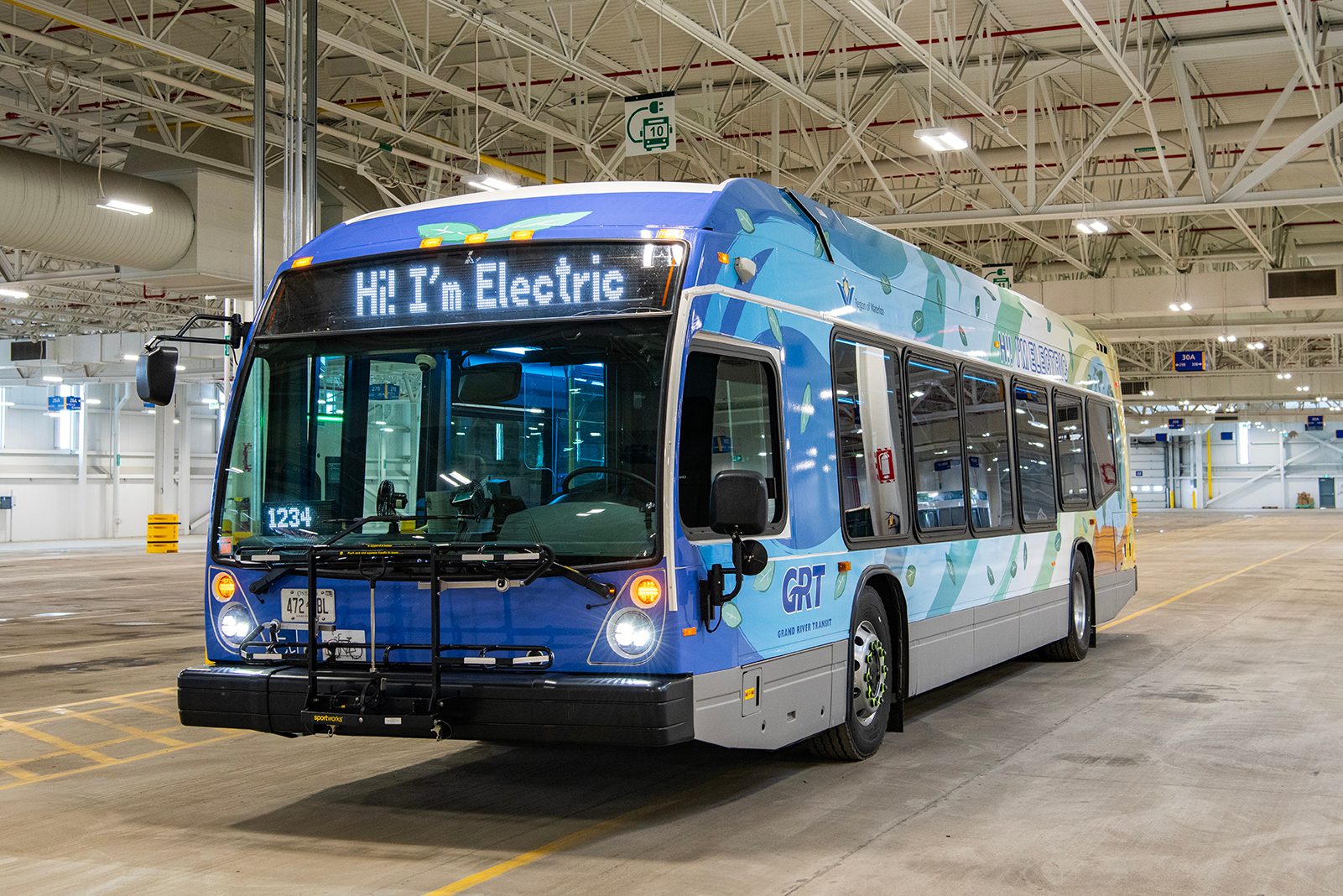
Electric Bus in the Grand River Transit Maintenance facility.
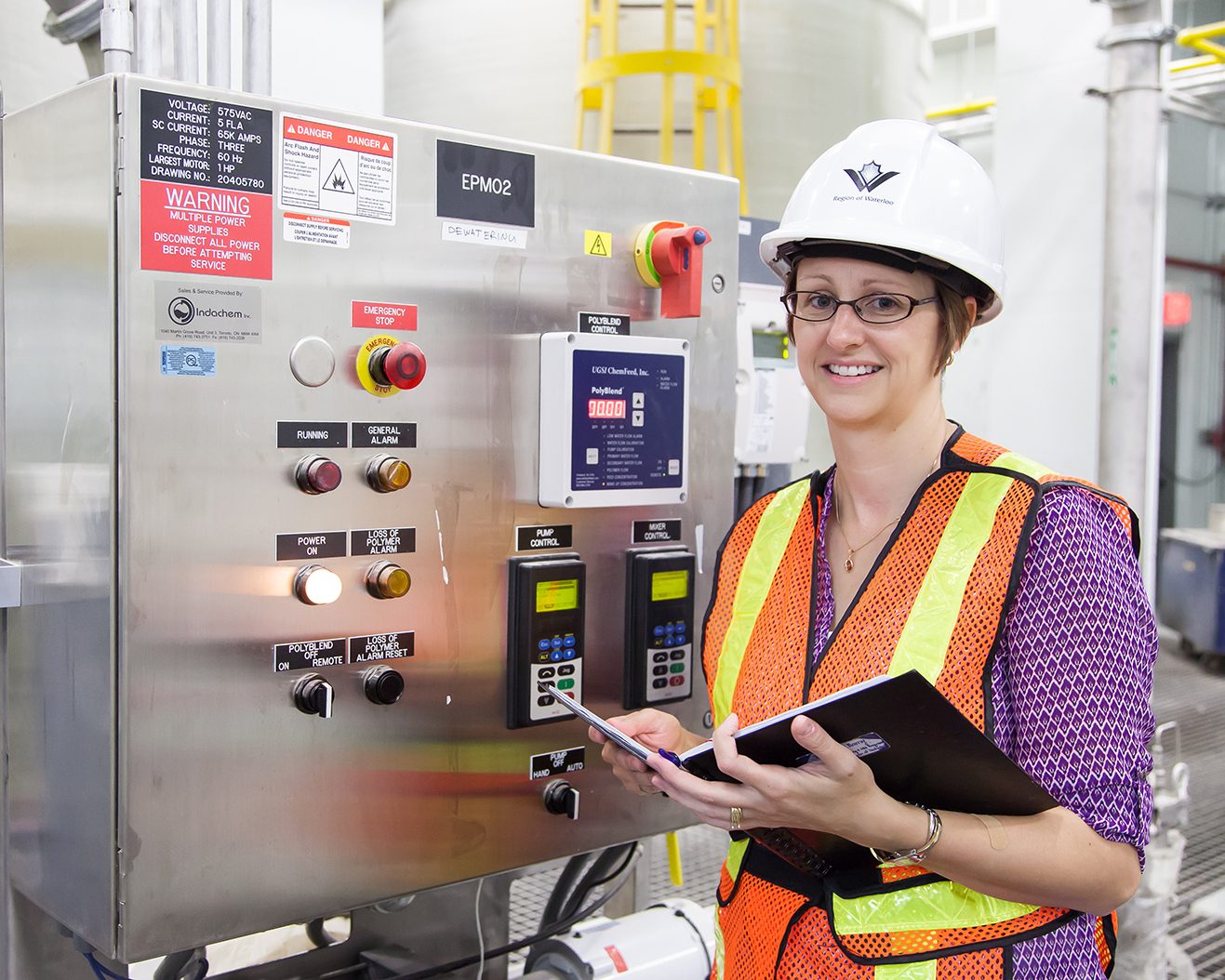
Staff person wearing a safety vest in front of a water treatment control panel.
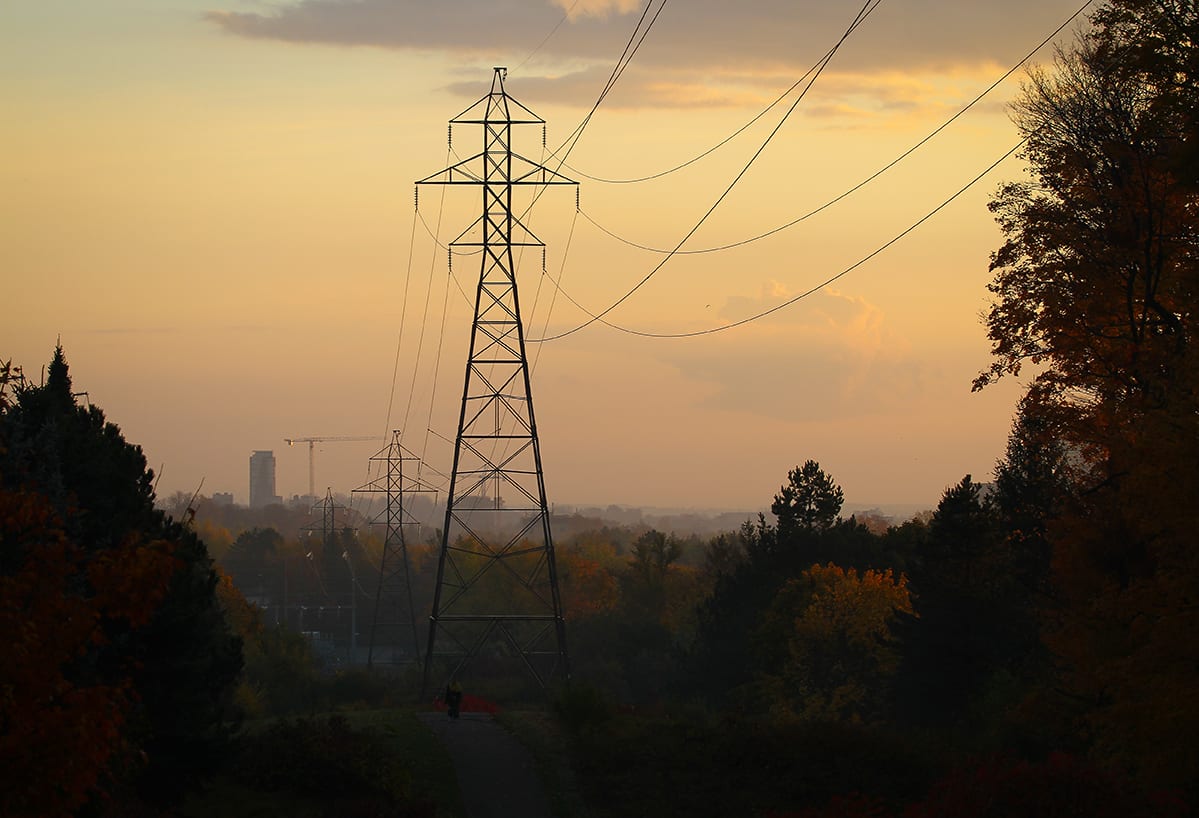
Power lines and towers silhouette against a hazy sunset sky over trees and distant buildings in Waterloo Region.

Our climate is changing and at the Region of Waterloo we’re doing our part to reach the community’s long-term climate goals. Regional Council approved the new Corporate Climate Action Plan to help the Region of Waterloo buildings, vehicles and operations reach net-zero emissions by 2050.

We’re putting the CorpCAP into action, starting with:

  • Establishing net-zero standards for new buildings and retrofits
  • Launching a Green Fleet Policy
  • Increasing renewable energy use and reducing resource waste
  • Ensuring a climate change lens is applied to Regional decision-making

Investments now will help mitigate climate change, support sustainable growth, protect people’s health and wellbeing, and build economic resilience for today and future generations.

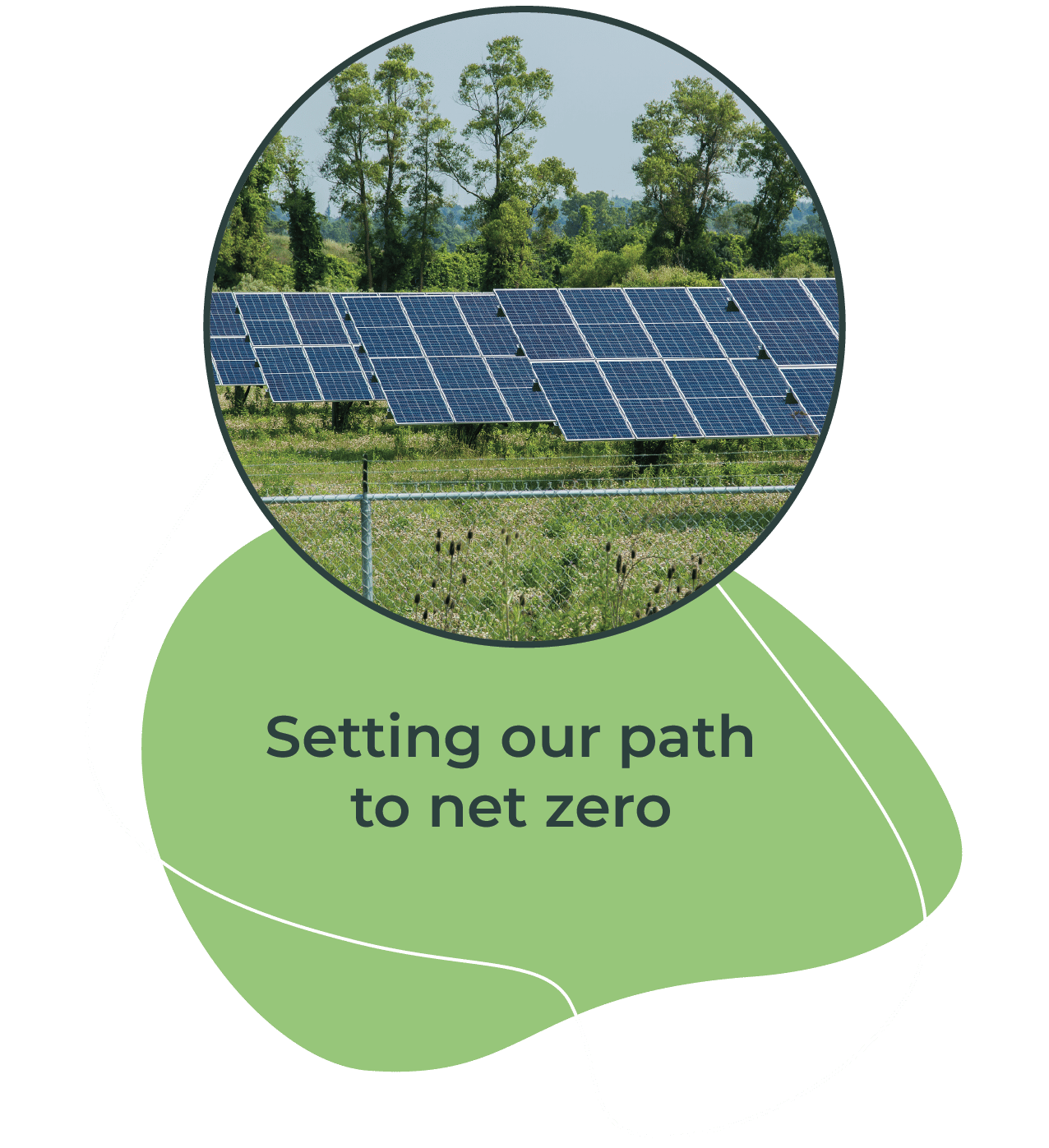
Setting our path to net zero

Employment support programs, construction site video, and 84% full-time job placement rate.

Here are some highlights from the progress we made in 2025:

Click image to read story
Electric Bus in the Grand River Transit Maintenance facility.
Staff person wearing a safety vest in front of a water treatment control panel.
Power lines and towers silhouette against a hazy sunset sky over trees and distant buildings in Waterloo Region.

Investments now will help mitigate climate change, support sustainable growth, protect people’s health and wellbeing, and build economic resilience for today and future generations.

Setting our path to net zero

Our climate is changing and at the Region of Waterloo we’re doing our part to reach the community’s long-term climate goals. Regional Council approved the new Corporate Climate Action Plan to help the Region of Waterloo buildings, vehicles and operations reach net-zero emissions by 2050.

We’re putting the CorpCAP into action, starting with:

  • Establishing net-zero standards for new buildings and retrofits
  • Launching a Green Fleet Policy
  • Increasing renewable energy use and reducing resource waste
  • Ensuring a climate change lens is applied to Regional decision-making

At the Region of Waterloo, we're working in new ways and testing creative new approaches to serve this community. Staff listen to residents and work with partners to build solutions that work today and into the future. We are expanding digital services and using data in new ways to help us make the most impact. Across our organization, putting residents’ needs first and being innovative is helping us prepare for the future.

Resilient and future ready organization

Resilient and future ready organization

At the Region of Waterloo, we're working in new ways and testing creative new approaches to serve this community. Staff listen to residents and work with partners to build solutions that work today and into the future. We are expanding digital services and using data in new ways to help us make the most impact. Across our organization, putting residents’ needs first and being innovative is helping us prepare for the future.

Click image to read story

Here are some highlights from the progress we made in 2025:

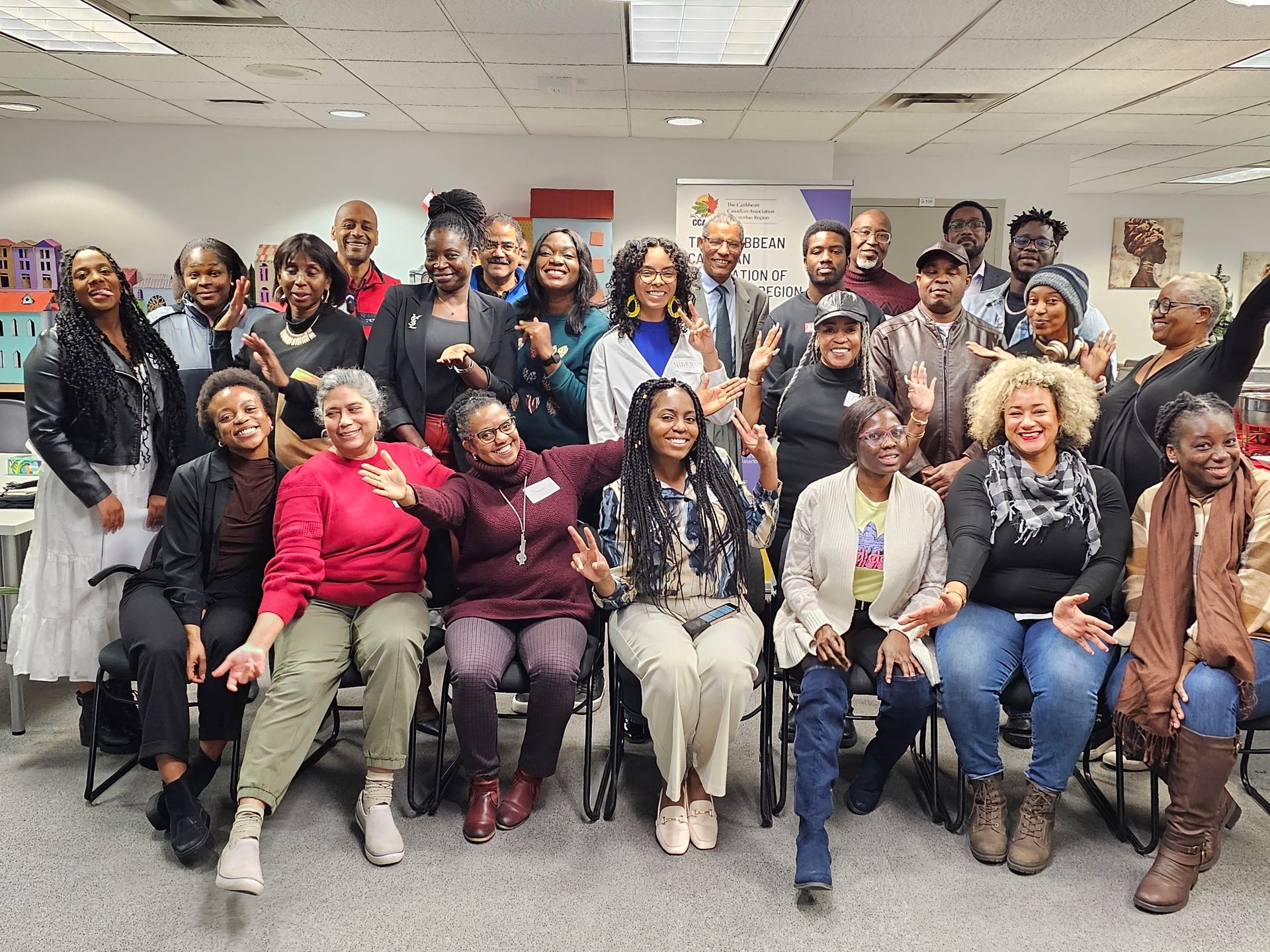
A large group of smiling Black adults, some standing and some seated, wave at the camera indoors.
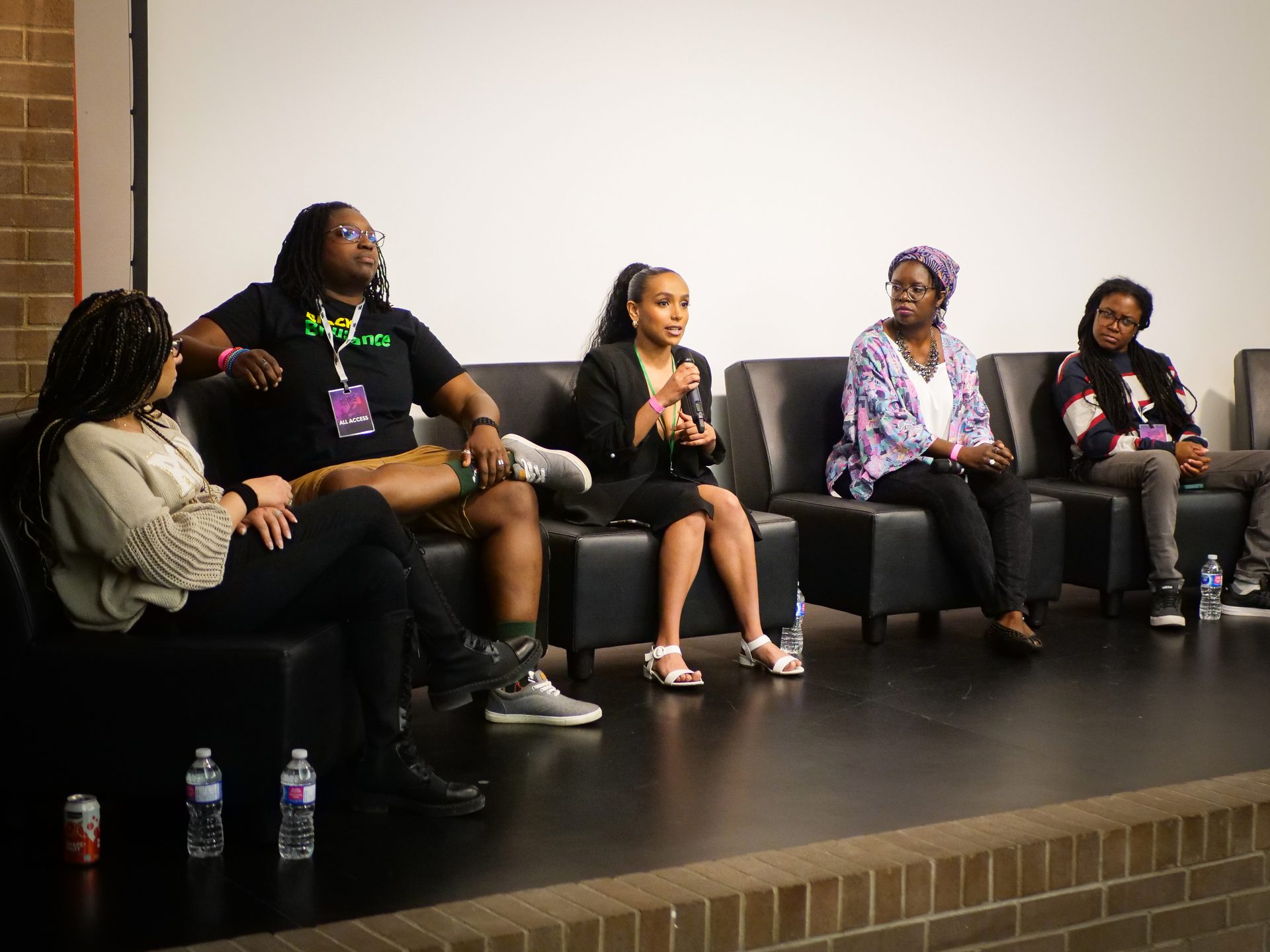
Five individuals on a panel, one speaking into a microphone.
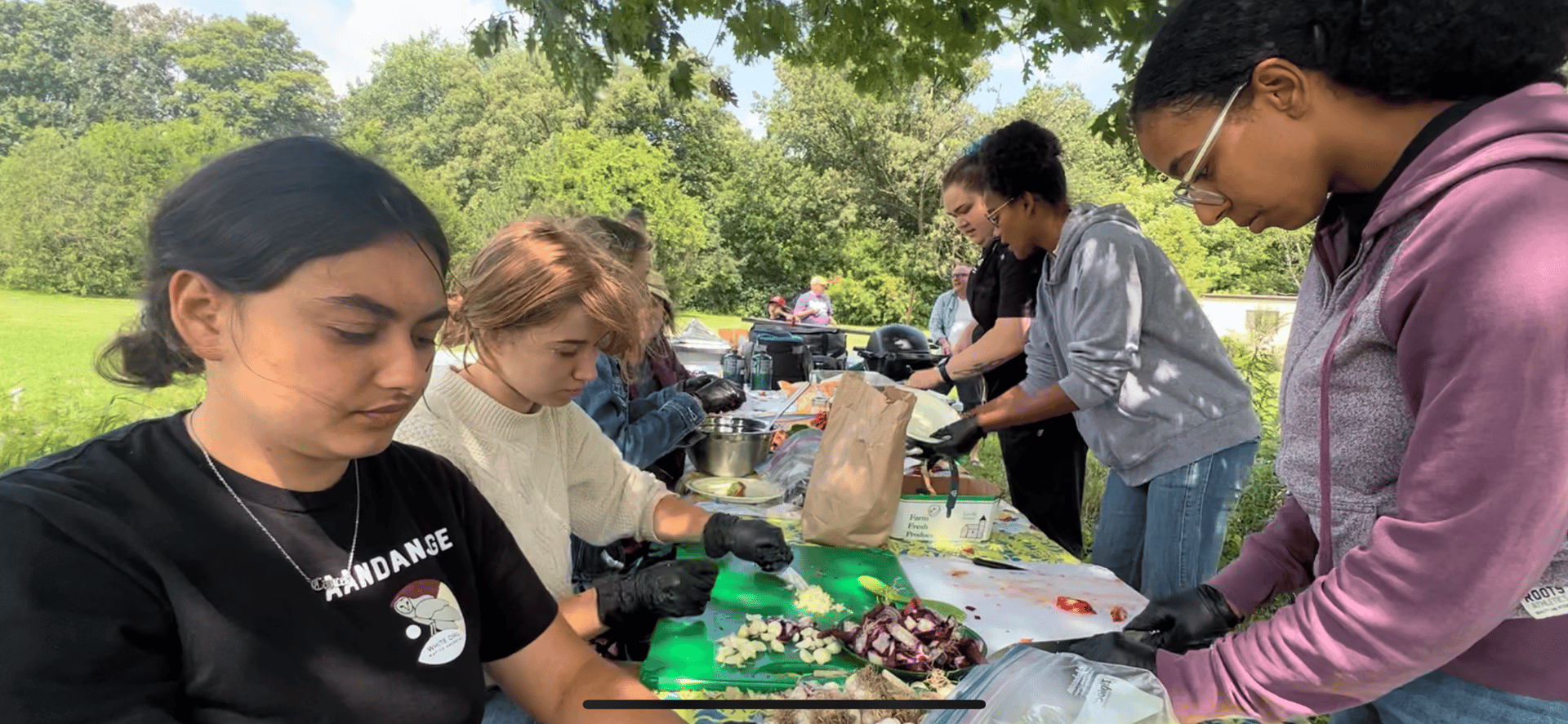
A group of young women outdoors, wearing gloves, chopping vegetables on a table.
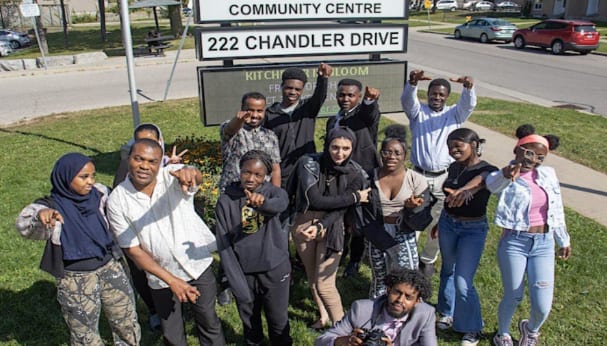
A diverse group, mainly young, posing with hand gestures at a community center.
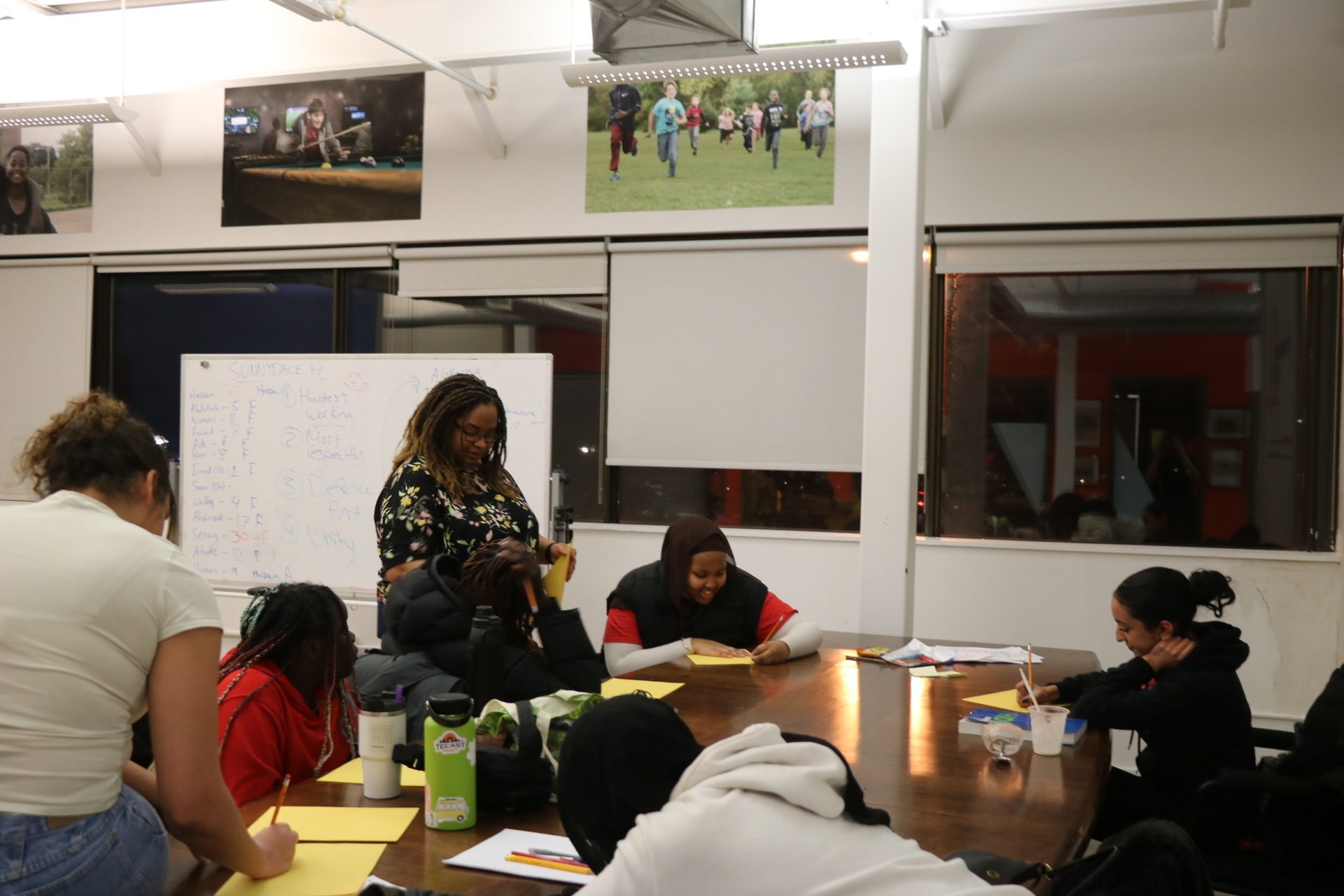
A diverse group of young people writing at a large table indoors, with an adult supervising.

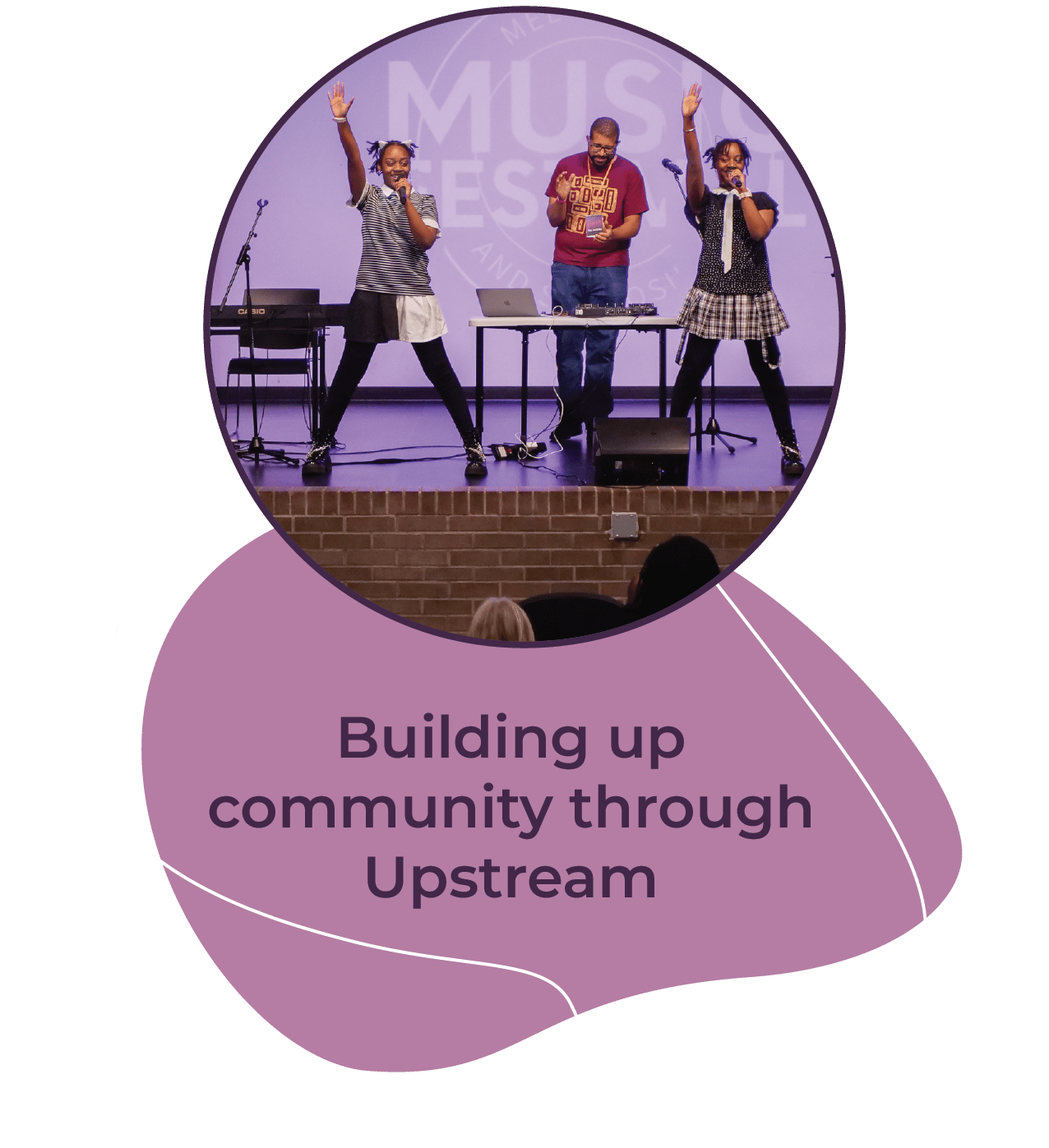
Our Upstream Funding continues to invest in community by putting resources in the hands of those who have historically faced systemic barriers. In September, we celebrated 25 new Upstream recipients who will offer services like land-based healing and education, trauma-informed mental health and wellness programs, anti-hate and restorative justice, youth-led leadership, and more. These investments are helping build a stronger, more resilient Waterloo Region. Wilfrid Laurier University research found that our Upstream Funds helped create jobs, stronger economies, and deliver critical services to nearly 40,000 people in need. Our first $4.1 million delivered through Upstream resulted in a 240% return on investment.

Building up community through Upstream

Employment support programs, construction site video, and 84% full-time job placement rate.

Here are some highlights from the progress we made in 2025:

Click image to read story
A large group of smiling Black adults, some standing and some seated, wave at the camera indoors.
Five individuals on a panel, one speaking into a microphone.
A group of young women outdoors, wearing gloves, chopping vegetables on a table.
A diverse group, mainly young, posing with hand gestures at a community center.
A diverse group of young people writing at a large table indoors, with an adult supervising.

Building up community through Upstream

Our Upstream Funding continues to invest in community by putting resources in the hands of those who have historically faced systemic barriers. In September, we celebrated 25 new Upstream recipients who will offer services like land-based healing and education, trauma-informed mental health and wellness programs, anti-hate and restorative justice, youth-led leadership, and more. These investments are helping build a stronger, more resilient Waterloo Region. Wilfrid Laurier University research found that our Upstream Funds helped create jobs, stronger economies, and deliver critical services to nearly 40,000 people in need. Our first $4.1 million delivered through Upstream resulted in a 240% return on investment.